Power Upgrades & Energy-Efficient Lighting: Your 2026 Home Safety Guide
Let's cut to the chase: upgrading your home’s power system isn’t just about saving a few bucks on your energy bill—it’s about preparing your living space for improved efficiency and safety. From modern lighting to electrical safety improvements, here are the essentials of making your home both safer and more energy savvy in 2026.
Why You Can't Ignore Energy-Efficient Lighting
First up, let's talk about energy-efficient lighting. It's not just a fancy term to throw around at dinner parties. It's a game changer. By now, you've probably heard the spiel a million times—LEDs this, lumens that. But here’s the real scoop:
These aren't your grandma's light bulbs. We're talking about sleek designs that can help reduce your carbon footprint and lower your energy costs. And guess what? With the right products, you can find lighting options that minimize flickering, humming, and unflattering illumination during Zoom calls.
Top Reasons to Switch to Energy-Efficient Lighting:
- Potentially lower energy bills (keep your wallet fat)
- Longer lifespan (less hassle of replacing them)
- Reduced energy consumption (go green, stay chic)
- Improved light quality (no more dungeon vibes)
- Smart home compatibility with supported products (yes, they can listen to you)
And in the spirit of not being overly optimistic, let's be real—upgrading is an investment. The potential savings depend on your current lighting, electricity rates, and how often the lights are used.
The Urgency of Electrical Safety Upgrades
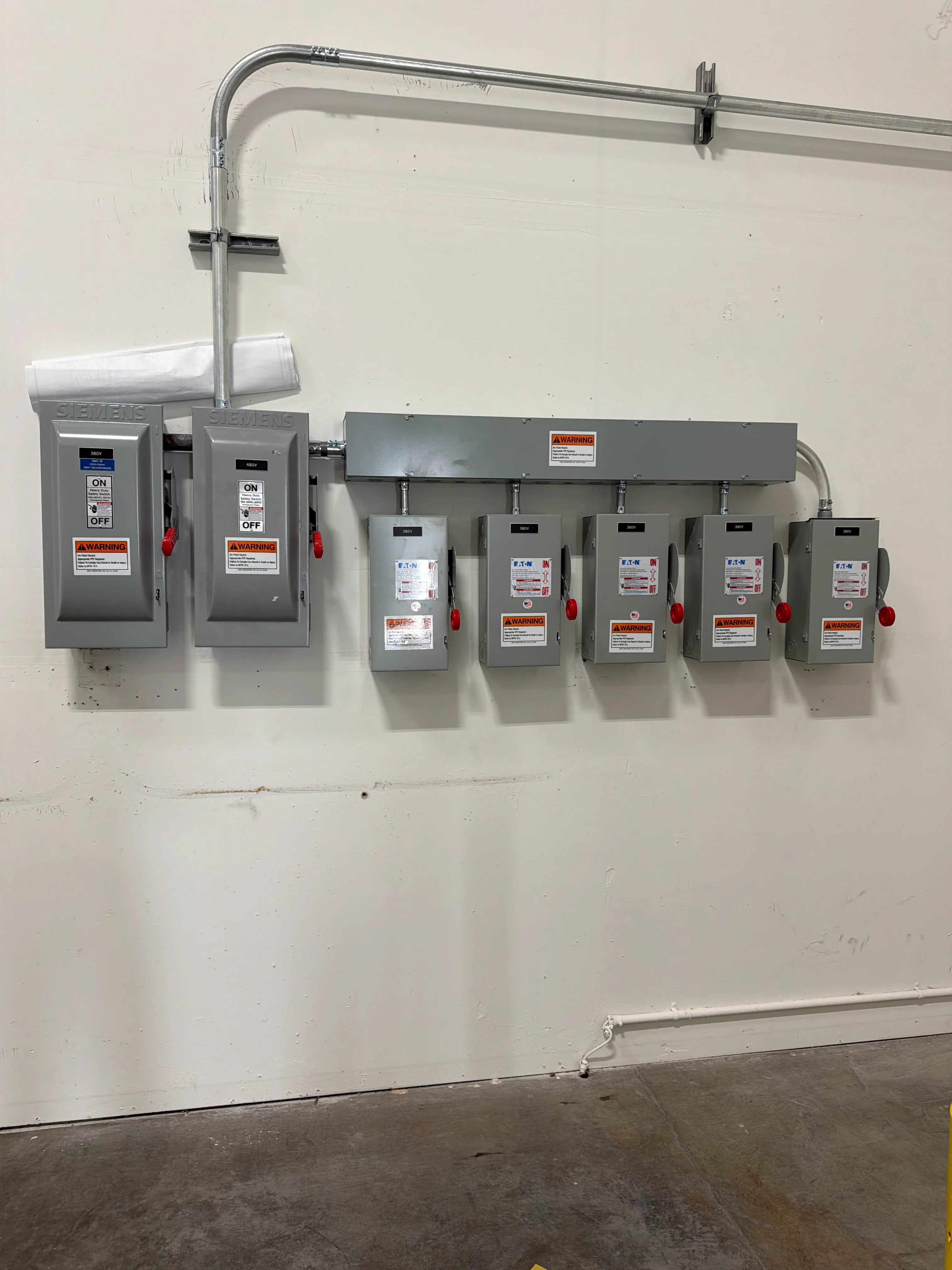
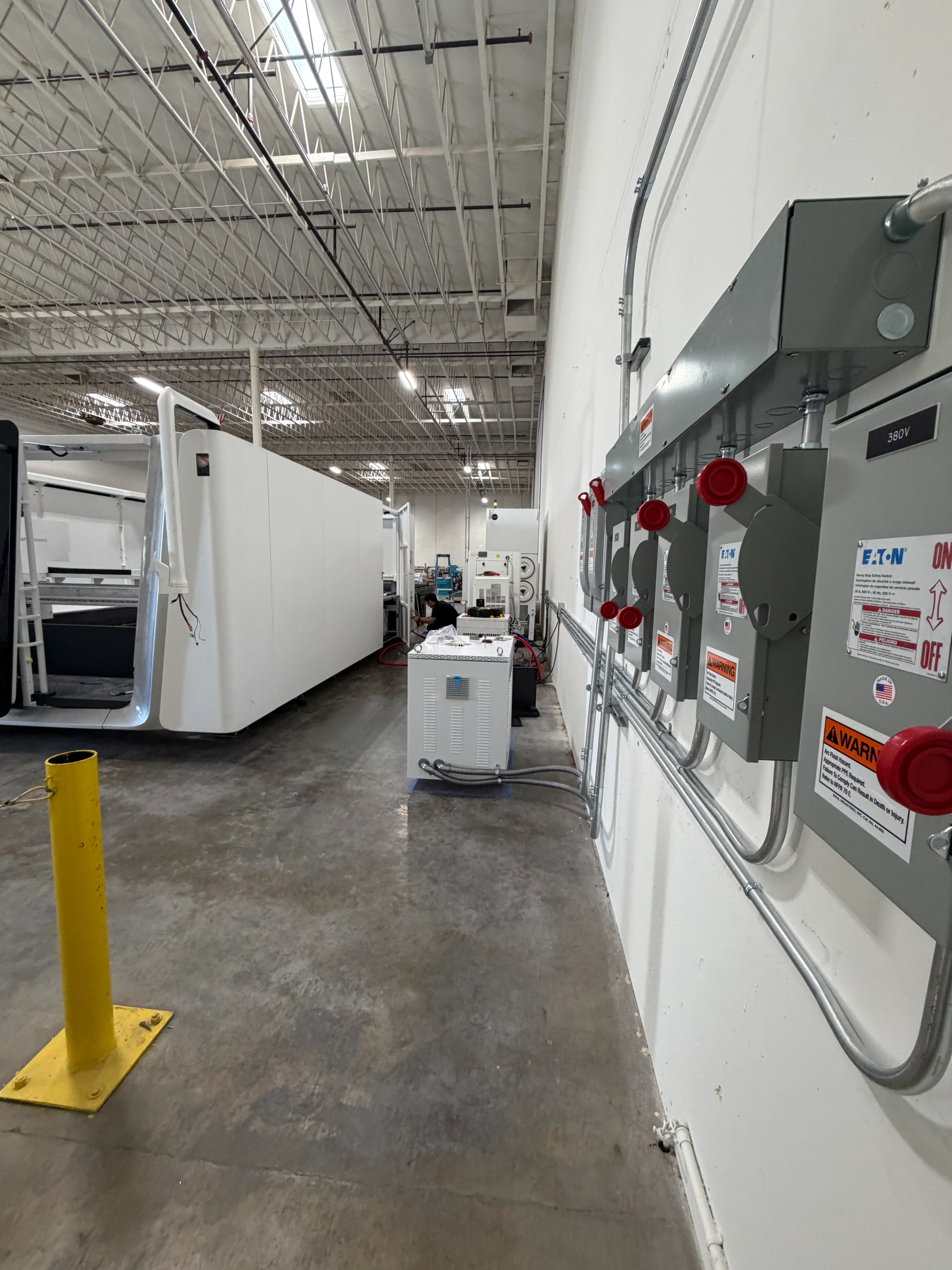
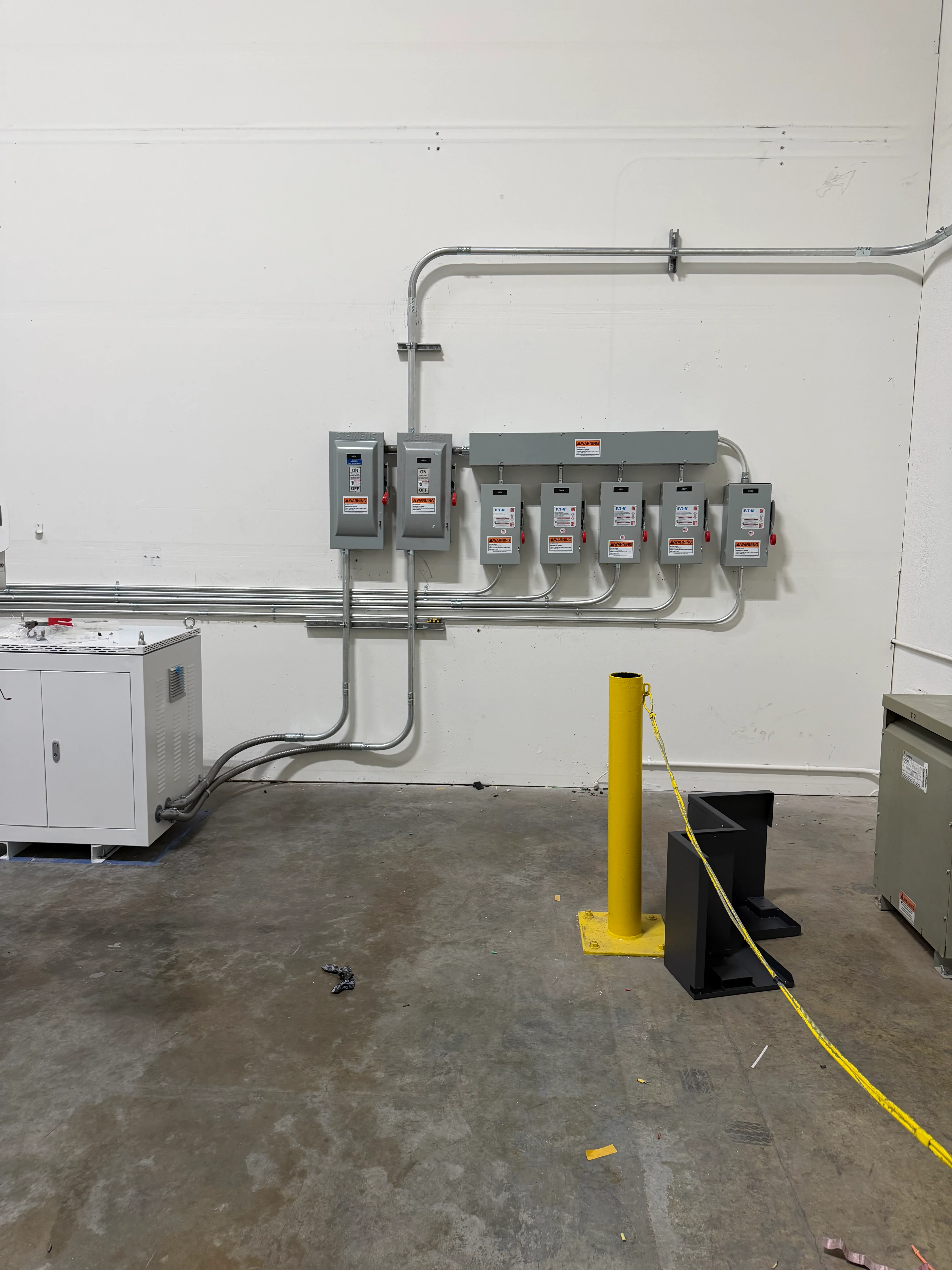
Now, on to safety—because what's the point of a well-lit home if it's a fire hazard? Electrical safety isn’t just about not sticking forks in toasters. It’s about ensuring your electrical system is in good condition so that potential hazards can be identified and addressed.
From upgraded circuit breakers to smart detectors, the right safety upgrades can provide peace of mind, which, let's be honest, is pretty priceless. Here’s why ignoring this isn't an option:
Crucial Electrical Safety Upgrades:
- Smart smoke detectors (because even the oven has a mind of its own sometimes)
- Arc-fault circuit interrupters (AFCIs to help reduce the risk of electrical fires)
- Ground-fault circuit interrupters (GFCIs for that bathroom jam session safety)
- Properly maintained wiring (old wiring isn’t necessarily unsafe, but damaged or inadequate wiring can be a hazard)
- Electrical inspections by qualified contractors when appropriate (keep the pros in mind)
Remember, an ounce of prevention is worth a pound of cure—or in this case, potentially avoiding costly repairs and safety hazards.
FAQs About Home Electrical Upgrades
What are the first signs that my home needs electrical upgrades?
Watch out for frequent breaker trips, flickering lights, and buzzing or crackling sounds from electrical components. These warning signs deserve professional evaluation.
How often should I have my electrical system inspected?
Inspection frequency depends on your home's age, electrical system condition, usage, and any warning signs. A qualified electrician can recommend an appropriate schedule, especially for older homes or systems with known issues.
Are energy-efficient upgrades really cost-effective?
They can be. Savings depend on the type of upgrade, installation costs, energy usage, and local electricity rates. Some improvements may also qualify for available incentives.
Can smart lighting really save me money?
Yes, smart lighting can help reduce unnecessary energy use through scheduling, dimming, and automation. Actual savings depend on your habits and how the system is configured.
What's the biggest risk of delaying electrical safety upgrades?
Unaddressed electrical hazards can increase safety risks and potentially lead to more expensive repairs. It's like ignoring a leaky roof until it rains indoors!
Ready to future-proof your home? What’s the first upgrade you’re planning to tackle? Let's chat in the comments below!