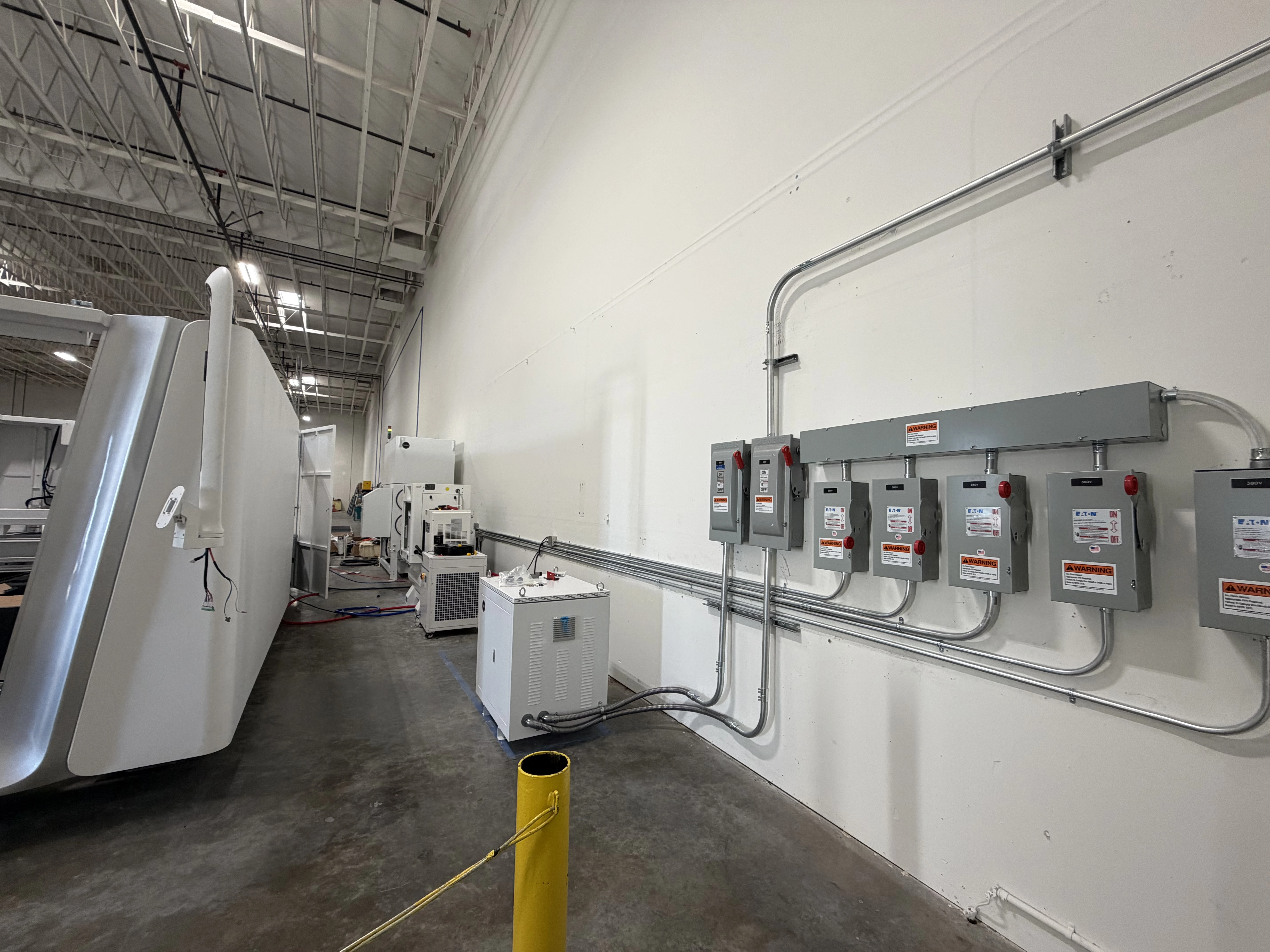
Essential Guide to Electrical System Upgrades and Circuit Breaker Installation in 2026

Maintaining and upgrading essential home systems is important for safety, efficiency, and functionality. Among these, electrical systems require particular attention due to their critical role in everyday life. Whether you're planning electrical system upgrades or considering a new circuit breaker installation, understanding the right steps and precautions is key to ensuring a safe, efficient, and compliant home environment.
Understanding Electrical System Upgrades
Electrical system upgrades are often necessary to enhance electrical safety, accommodate additional appliances, or improve energy efficiency. These upgrades can range from increasing electrical panel capacity to rewiring old or faulty systems. Because of the complexity and precision required in these tasks, hiring professional electricians is essential.
Electrical service upgrades typically involve replacing outdated equipment, such as fuse boxes, with modern circuit breakers. This can improve safety by reducing the risk of fire and electrical shocks while aligning your home's electrical system with current standards.
Key Components of an Electrical Upgrade
- Panel Upgrade: Replacing old electrical panels to handle increased load.
- Surge Protection: Installing surge protectors to safeguard appliances against voltage spikes.
- Outlet Addition and Relocation: Adding more outlets or relocating them for better accessibility.
- Smart Home Features: Integrating smart devices for enhanced energy management.
These upgrades not only improve safety but also add to the convenience and functionality of your electrical system.
Guide to Circuit Breaker Installation
Installing a new circuit breaker is a critical task that should be handled by professional electricians. Circuit breakers play a pivotal role in protecting your home by automatically shutting off electrical flow when an overload or short circuit occurs.
The installation involves several steps, including choosing the right breaker, wiring it correctly, and testing it to ensure it operates effectively. Incorrect installation can lead to serious safety hazards, hence the emphasis on professional service.
Steps for Proper Circuit Breaker Installation
- Assessment of Load: Calculating the total load to determine the appropriate size of the new breaker.
- Selection of Breaker: Choosing the right type of breaker based on the load and type of wiring.
- Installation: A licensed electrician securely installs the breaker into the panel and verifies proper connections.
- Testing: The electrician verifies that the breaker operates correctly and meets applicable safety requirements.
This process not only enhances your home's electrical safety but also helps ensure compliance with local electrical codes.
Recognizing Electrical Problems That Need Professional Attention
Electrical problems should never be ignored, especially when they involve potential safety hazards. Warning signs such as burning smells from outlets, frequent breaker trips, flickering lights, or visible wiring damage can indicate underlying electrical issues that require professional evaluation.
Scheduling an electrical inspection and addressing problems early can help prevent further damage, improve system reliability, and maintain a safer home environment. If there are signs of an active fire or immediate danger, leave the affected area and contact emergency responders rather than attempting repairs.
Choosing the Right Professional Electrician
Selecting a professional electrician is paramount for any electrical work. Certifications, experience, and reviews are critical factors to consider. Ensure they are licensed, have a good standing in the community, and can provide transparent quotes. Look for someone who not only has the credentials but also a proven track record of reliability and precision.
Choosing the right electrician and understanding the process are vital for safe and effective electrical upgrades and installations. Investing in high-quality electrical upgrades and professional installations can provide long-term benefits in safety, efficiency, and peace of mind. Have you recently upgraded your home's electrical system, or are you planning to do so? What are your main considerations for these upgrades?