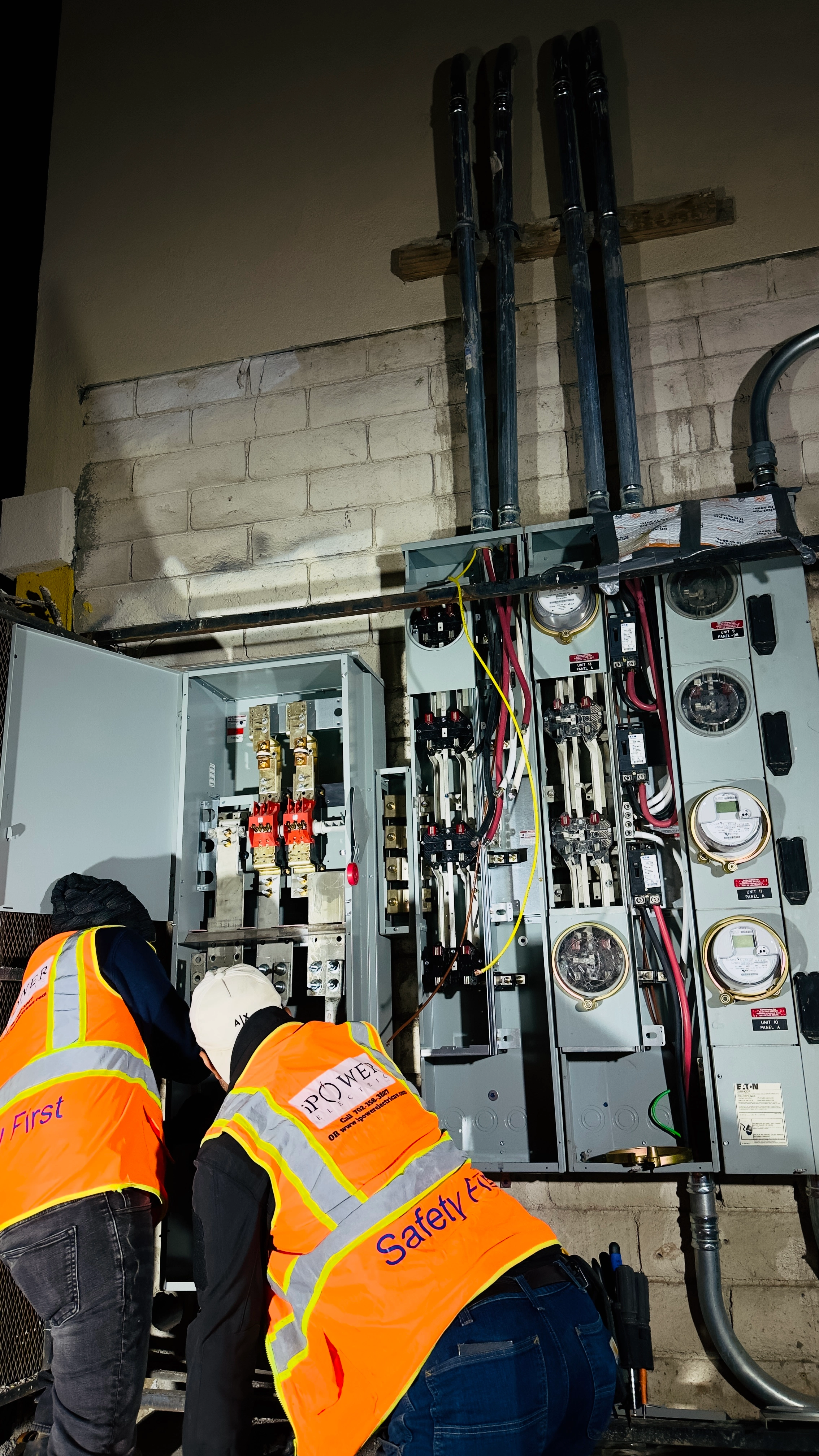
Essential Guide to Electrical Services in Las Vegas: Installation and Repair

As a Las Vegas-based entrepreneur with a knack for problem-solving and efficiency, I know the importance of professional electrical services. Whether you're considering outlet installation or need urgent electrical repair, this guide is designed to help you understand the essentials of hiring a licensed electrician in Las Vegas. Let’s dive into what you need to know to ensure your home or business is safe and well-powered.
Understanding the Basics of Electrical Services
Electrical services encompass a wide range of tasks, from simple repairs to complete installations. It's crucial to know what you can handle yourself and when to call in professional electricians. Here’s a breakdown:
Electrical Repair: This includes fixing faulty wiring, restoring power after outages, and replacing damaged components like circuit breakers.
Outlet Installation: Whether upgrading your home for better functionality or compliance with modern safety standards, proper installation is key to preventing hazards.
Choosing the Right Electrician
Selecting a professional electrician isn't just about finding someone who can do the job; it's about ensuring safety, quality, and reliability. Here are key factors to consider:
- Certifications and Licensing: Always choose a licensed electrician. This ensures they have undergone the necessary training and adhere to local codes and regulations.
- Experience: Look for electricians with extensive experience in specific services like repair or installation to get the best results.
- Reputation: Read reviews and ask for recommendations to gauge the reliability and quality of the electrician’s work.
- Cost: Get quotes from several electricians to find competitive pricing but beware of prices that seem too good to be true, as they often are.
Remember, quality work might cost more initially but saves money and hassle in the long run by avoiding frequent repairs and dangerous malfunctions.
Common Electrical Issues and Fixes
Electrical problems can range from minor inconveniences to major hazards. Here are common issues you might encounter:
- Power Surges: Typically caused by lightning strikes, power surges can damage appliances and electronics. Surge protectors can help mitigate this risk.
- Overloaded Circuits: Adding more outlets, rather than overloading existing ones, can solve this issue and enhance safety.
- Frequent Electrical Surges: These can be due to poor wiring or external issues. A professional assessment is necessary to solve this safely.
- Flickering Lights: Usually, this is a sign of a poor connection and might require replacing or tightening your light fixtures or connections.
Addressing these issues promptly can prevent more severe problems and ensure the safety of your home and family.
DIY vs. Professional Electrical Work
While some minor electrical tasks can be done DIY, understanding when to hire a professional is crucial:
- DIY: Simple tasks like replacing a light switch or installing a dimmer can be done by those with a bit of electrical knowledge.
- Professional: Wiring upgrades, new installations, and repairs of critical components should always be handled by a licensed electrician.
Remember, tampering with electrical systems without proper knowledge can lead to severe injuries or fire hazards.
Cost Expectations for Electrical Services
The cost of electrical services can vary widely based on the complexity of the job and the materials required. Here’s what you can expect:
- Standard Repairs: Minor fixes typically cost less, ranging from $150 to $400.
- Major Installations: More extensive jobs, like installing a new circuit or upgrading panels, can cost upwards of $500 to $1,200.
Getting multiple quotes can help you understand the cost landscape and choose the best service within your budget.
Preventing Common Mistakes
Many electrical problems stem from common mistakes made during installation or maintenance. Here are a few to avoid:
- Using Incorrect Wiring: Always match the wire size and type to the current requirements of the circuit.
- Ignoring Safety Codes: Electrical codes are in place for safety; adhering to them prevents hazards.
- Overloading Circuits: Understand the capacity of your circuits to avoid potential overloads and hazards.
Following these guidelines can help maintain a safe and functional electrical system in your home or business.
Do you have specific electrical issues at home or in your business, and how can professional electricians help you resolve them?